Book Binding Types
The type of binding is usually selected based on the function of the document, the number of pages it contains and the printing budget. Strangely, esthetics are usually considered last in the decision-making, unless quality is a priority and budget is not a factor, or the binding itself is part of the conceptual design There are lots of options for binding and securing your print project that accommodate a variety of end use functionalities and presentation styles. Some of the numerous binding options available are:
Wire-O Binding ( Spiral Bound )
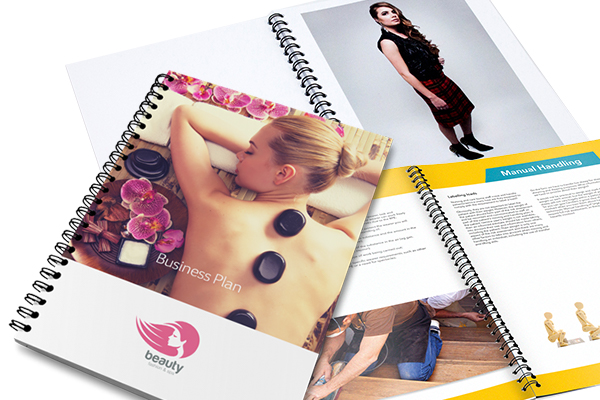
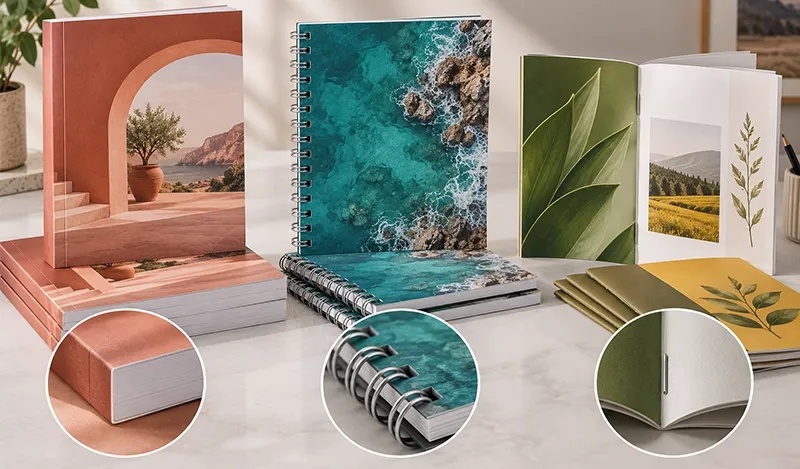
Coil binding is a popular book binding style used to create documents, reports, presentations and proposals. Coil binding uses strips of wire that pass through a series of holes to bind together stacked paper. Coil binding goes by many names, including spiral binding, spiral coil binding, spiral book binding, color coil, or coil bind. This binding offers flexibility in terms of look, size, and color, which makes it an ideal choice for any document binding and will keep looking crisp. Long-lasting and practical, it helps protect your materials, sustains less damage, and keeps pages tightly bound.
Perfect Binding ( Hot Glue Bound )
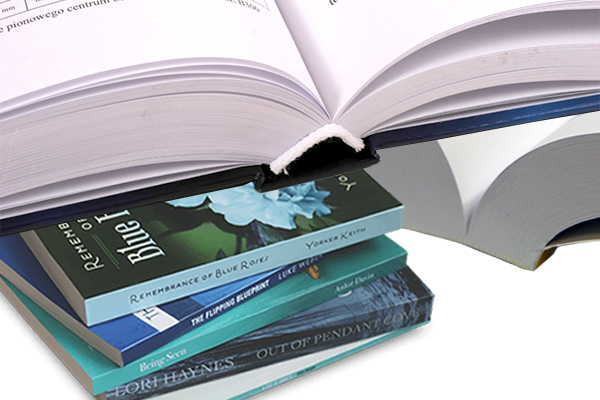
This is the right solution for your paperback softcover & hardcover book and magazine printing. If your project less than 60 pages then perfect binding type is not your best option. Perfect binding required minimum 60 pages (back & front print ) or minimal around 5-7 mm depend on the paper thickness.
Saddle Stitching
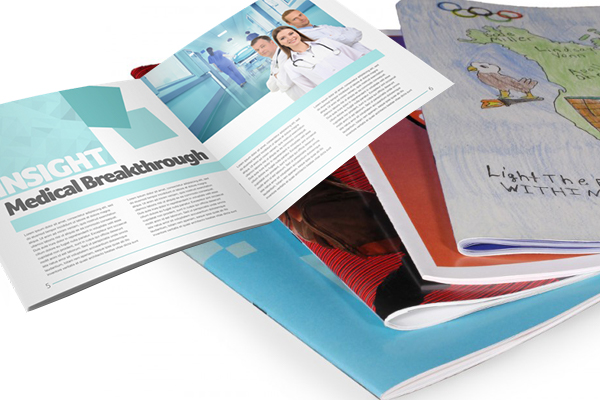
Saddle stitching is the perfect solution for smaller sized booklets and catalogs. Simple and cost effective, saddle stitching is an ideal method for binding booklets, magazines, notebooks, catalogs, workbooks, menus and large brochures. Saddle stitching is generally used for printed materials that are 12 to 56 pages, pages must be multiplied by 4 pages. When designing your saddle stitched piece, take into consideration creep.
Creep is created because the pages must be placed inside one another, causing a gradual edge protrusion on the inner pages as more pages are added. The more pages you have, the more creep allowance you will need. Once assembled, the pages will be trimmed to create a flush edge for a professional commercially printed product.
Screw Book Binding
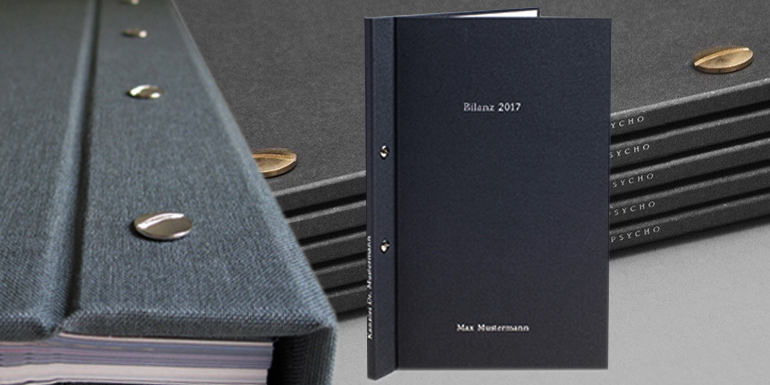
The screw binding method is excellent because it's easy to add or remove pages. All you have to do is undo the screw, remove the cover, and then change out the pages. With screw binding, your main focus will be on the cover. Once the cover is complete, you can add or remove pages as needed.
Screw binding can be used for any size. The screws come in hardcover. The screws thread through the front cover and the back cover, holding all of the pages in-between together. The screws are exposed along the front spine. It looks more professional than a traditional binder and is more customizable.
Tape Bound
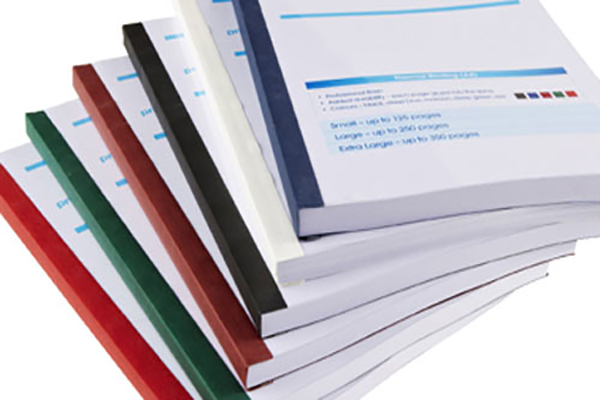
Some types of publications that use Tape Binding as a finishing option are conference or training materials that won’t need to lay flat for reference purposes.
Tape binding is usually published in small orders needed for conference and training sessions. Although it has a polished look, this binding type is stiff and does not lay flat. Unlike coil or comp binds. The process of tape binding places a cloth strip of adhesive tape along the bind edge of the document and wraps around the front and back covers.
Plastic Grip
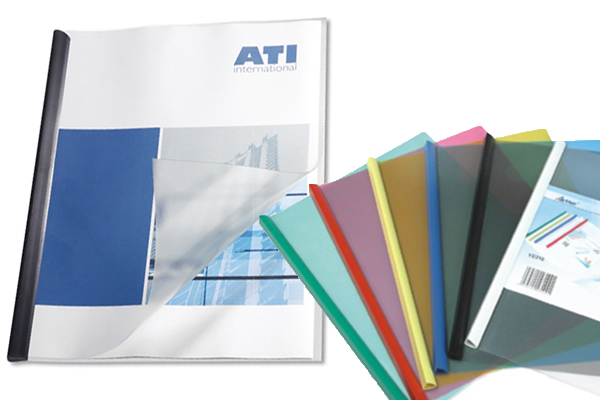
This plastic Grip binding is a simple and easy method uses a molded 3-sided plastic spine. By prying apart the 2 vertical strips the entire document is guided through one end of the plastic grip until it covers the full length of the spine.
Comb Binding

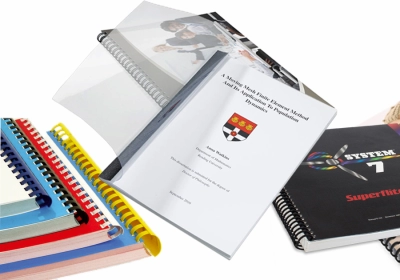
This binding offers flexibility in terms of look, size, and color, which makes it an ideal choice for any printed document binding and will keep looking crisp. This allows books to lay flat when open. Available in variety of colors to coordinate with cover color. A durable option for a wide variety of project types.